

Blog
From Inspection to Intelligence: Re-imagining Pharma quality with Industrial AI
Enhancing quality, traceability, and operational efficiency through intelligent, data-driven manufacturing.
Blog
Blog-
Pharmaceutical quality is entering a new phase. As manufacturing becomes more automated, connected, and data-rich, quality systems must evolve from simply identifying defects to continuously generating intelligence about production.
Computer vision, machine learning, and real-time analytics are creating the opportunity to move beyond inspection as a checkpoint toward quality as a continuous intelligence layer.
Bringing Industrial AI to the Production Environment
A leading North American healthcare technology company sought to improve quality monitoring across its pharmaceutical packaging operations while maintaining consistency, traceability, and compliance at scale. Tata Elxsi approached this challenge using IRIS, Tata Elxsi's Vision AI platform, to modernize quality monitoring across its pharmaceutical packaging operations. IRIS transformed visual inspection data into actionable insights that supported faster quality decisions and enhanced operational visibility.
Rather than simply automating inspections, Tata Elxsi focused on addressing the underlying challenge of achieving consistent, scalable, and traceable quality monitoring. Integrated into pharmaceutical packaging operations, IRIS enabled:
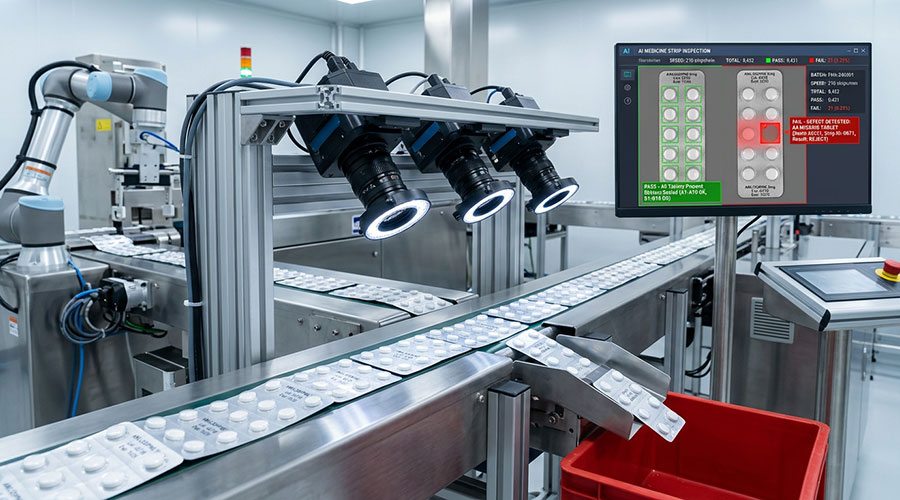
AI analytics automating pharmaceutical packaging inspection and support quality control at scale
A New Approach to Quality
Every medicine package reaching a patient represents trust. Behind it is a manufacturing process designed to help ensure the right product reaches the right person, every time. Maintaining that consistency becomes challenging as production volumes grow, regulations evolve, and quality expectations rise.
As Industrial AI continues to evolve, manufacturing operations are moving from reactive quality control to predictive quality intelligence. Instead of identifying defects after they occur, AI systems learn to recognise patterns, detect early warning signs, and anticipate quality deviations before they impact production. The question for manufacturers today is no longer just how to automate inspections, but how to turn every inspection into a source of actionable quality intelligence.
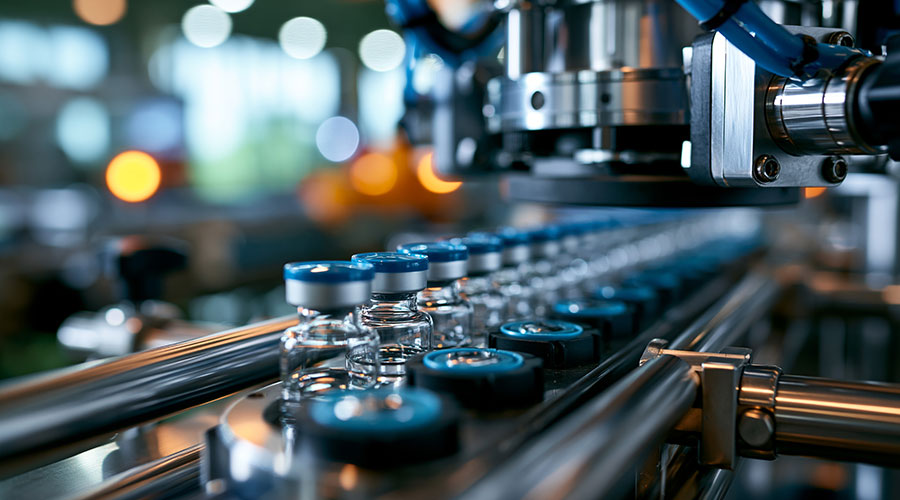
Vision AI analysing pharmaceutical vials in real time
Author