
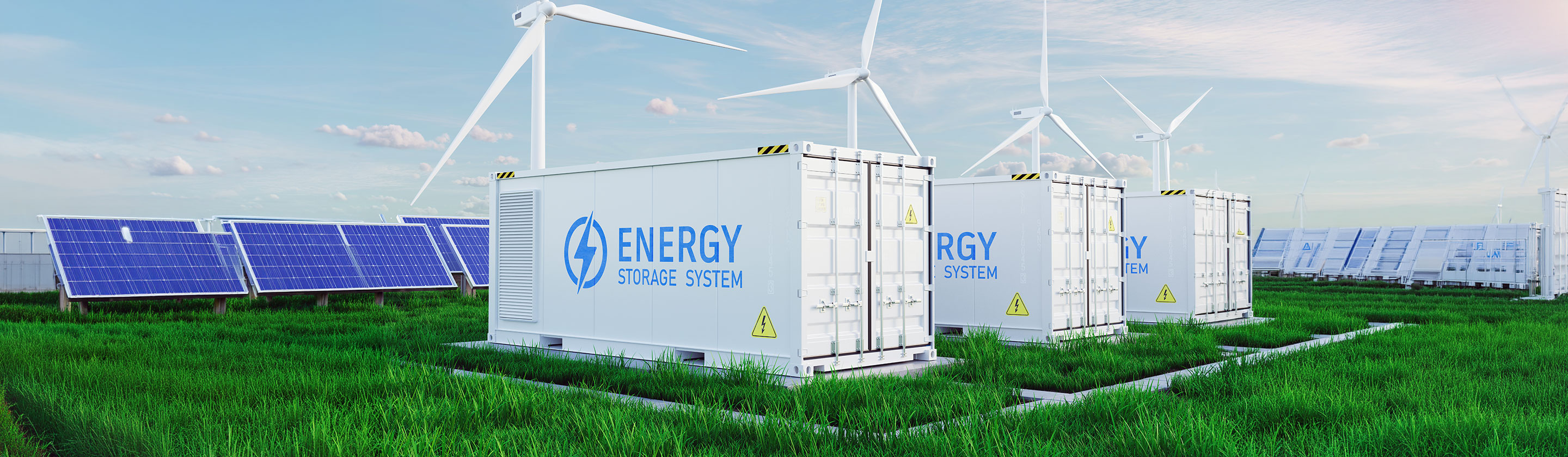
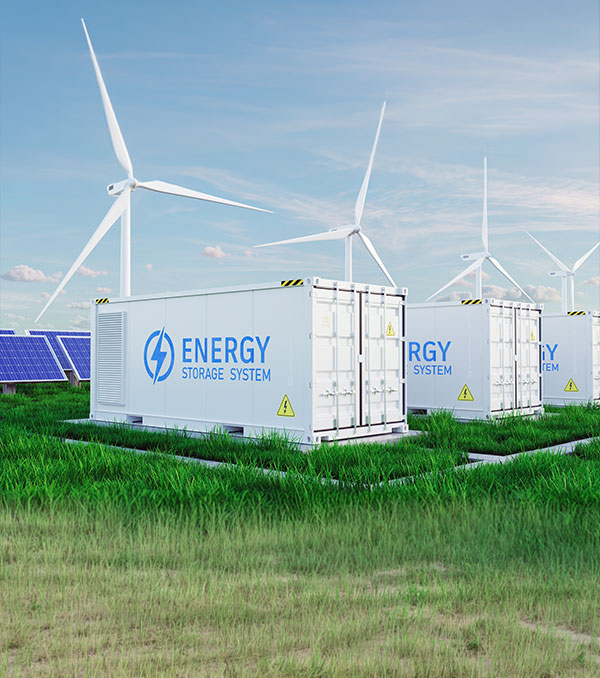
How IoT and AI are Transforming Battery Energy Storage Systems
IoT and AI are fundamentally reforming the global battery energy storage market by enabling actual monitoring, predictive maintenance, intelligent decision-making and lifecyle transparency for energy utilisation.
Read Artcle
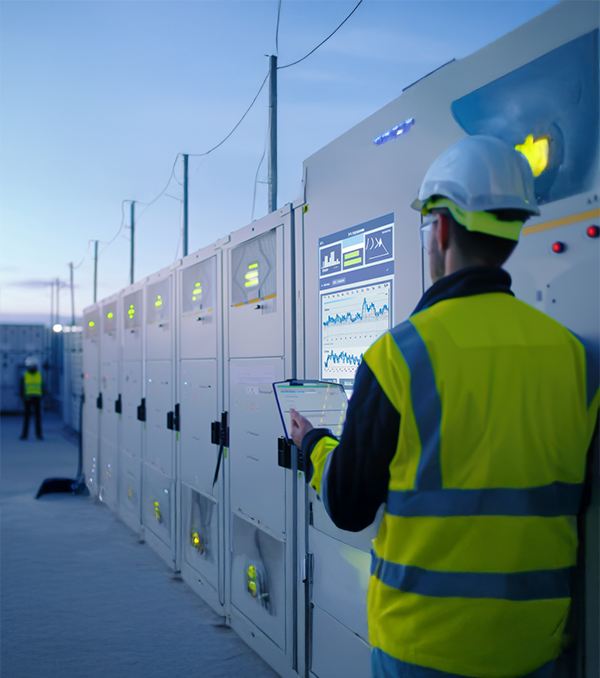
Software-Defined Energy Storage: How Digital Platforms, Cloud, and IoT are Transforming Grid-Scale BESS
Read more
Powering the Energy Transition through Sustainable Innovations
Driving decarbonisation and energy independence through design-led engineering, digital platforms, and intelligent systems for resilient, sustainable energy transitions.
Blog
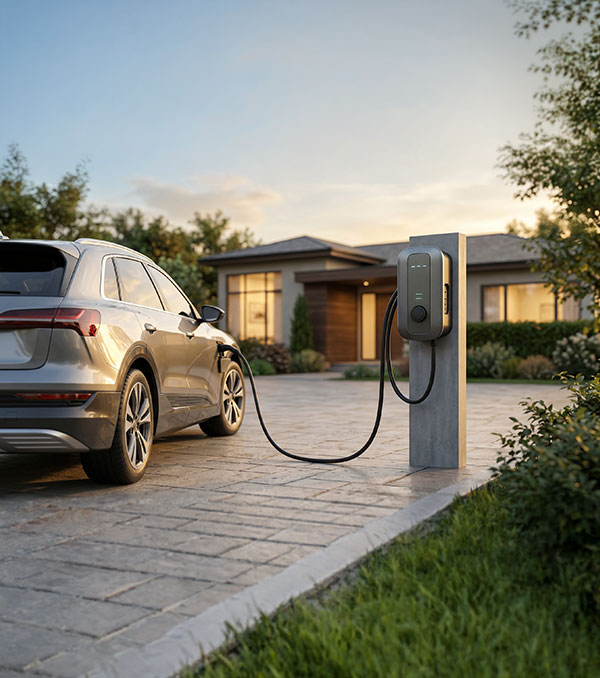
AI-Led Sustainability Solutions Supporting India's Clean Energy and Net-Zero Goals
Read News article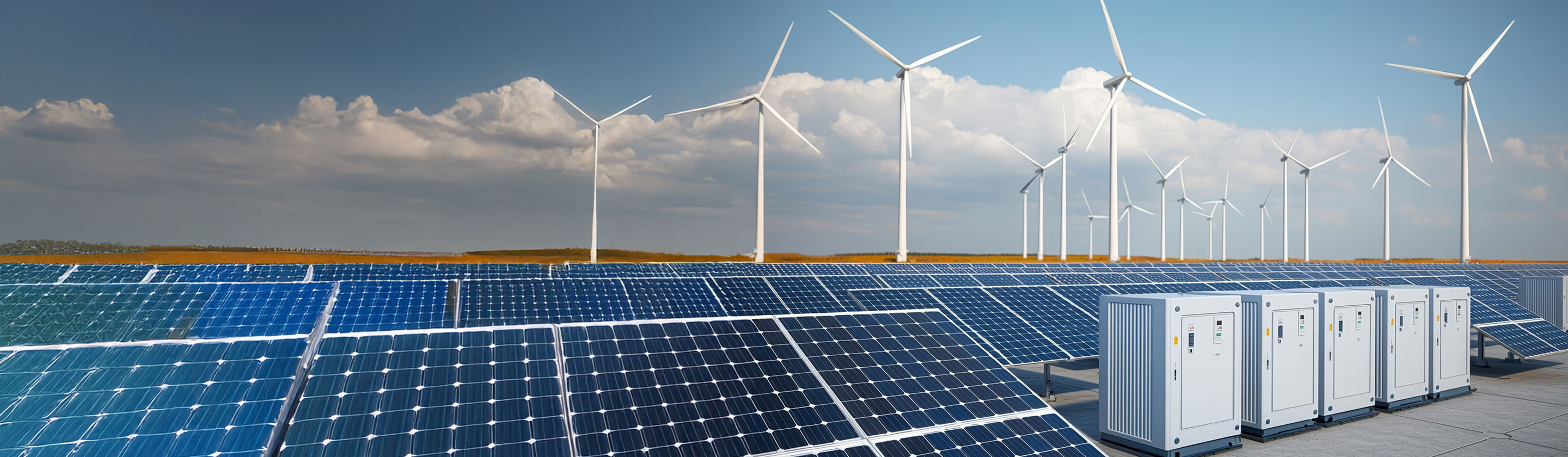
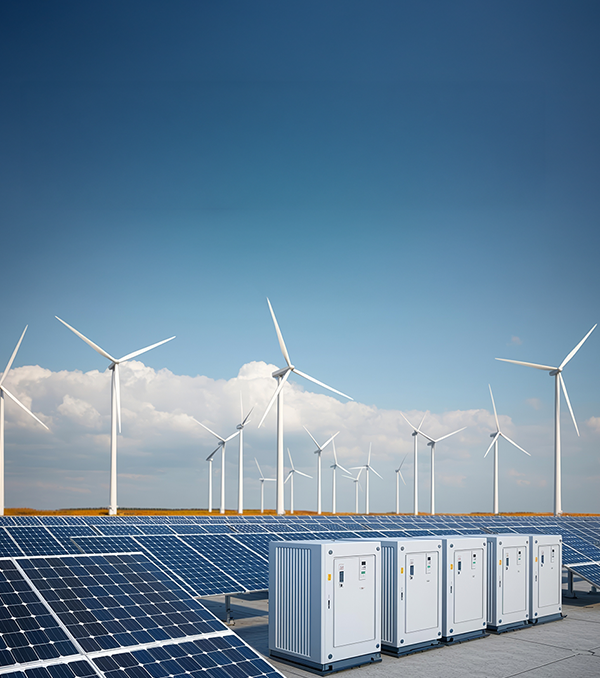
Enabling the Net-Zero Energy Transition
The energy industry is in the middle of the largest capital reallocation in its history. Global energy investment is set to reach $3.4 trillion in 2026, with nearly two-thirds flowing to renewables, grids, storage, and electrification. This shift is reshaping how energy is generated, stored, distributed, and consumed. With capital increasingly available, the real differentiators have moved downstream to the depth of engineering capability, the ability to integrate mechanical, electrical, embedded, and digital systems as one, and the speed at which new solutions can be certified, deployed at scale, and made sustainable.
Tata Elxsi empowers customers to lead the energy transition through secure, intelligent, and decarbonized solutions. Our expertise spans power & utilities, energy storage, oil & gas, electrification, renewable energy, future grids, data centers, energy equipment manufacturers, and energy retail. Across these segments, we deliver end-to-end capability in product design and engineering, digital platforms and infrastructure, industrial automation, and managed operations, supported by AI, data analytics, cloud-native platforms, and design-led innovation, all aligned to global net-zero goals.
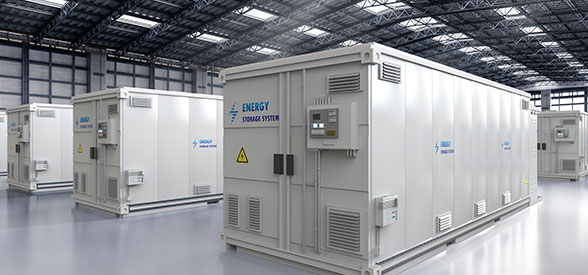
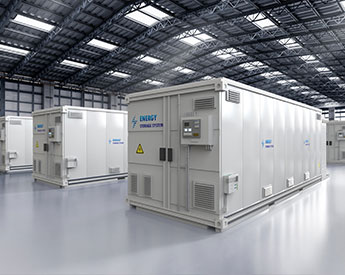
Engineering the Physical Backbone of a Flow Cell Battery Storage & Developing the Energy Storage Platform
Business Challenges
Energy companies are under mounting pressure to modernize outdated, siloed legacy systems that limit visibility and efficiency across increasingly complex and decentralized networks. Grids built to deliver power in one direction must now handle renewable energy feeding in alongside sharp and unpredictable demand from datacenters. At the same time, electrification and sustainability mandates are forcing a difficult balance between performance, cost, compliance, and time to market. Divergent global standards stretch certification timelines and trigger costly design respin. The convergence of IT and OT widens cyber exposure across critical infrastructure, while component obsolescence and fragile supply chains continue to erode margin.
Services
Tata Elxsi offers end-to-end energy solutions spanning research, product design and engineering, digital strategy, manufacturing, and intelligent monitoring, ensuring reliable, compliant, and sustainable operations across the entire energy value chain.
Products & Systems Engineering | Digital Platforms & Infrastructure | Industrial Automation | Intelligent Managed Services
End-to-end design, engineering, certification, and value optimization for energy assets throughout the complete product lifecycle.

Products & Systems Engineering
End-to-end design, engineering, certification, and value optimization for energy assets throughout the complete product lifecycle.
Design-led consulting, architecture, integration, and modernization of digital energy infrastructure to build intelligent, secure, and connected ecosystems.

Digital Platforms & Infrastructure
Design-led consulting, architecture, integration, and modernization of digital energy infrastructure to build intelligent, secure, and connected ecosystems.
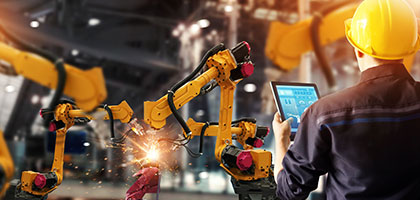
Engineering and integration of connected shopfloors and modernized plant control systems for real-time visibility, predictive intelligence, and secure operations.
Industrial Automation
Engineering and integration of connected shopfloors and modernized plant control systems for real-time visibility, predictive intelligence, and secure operations.
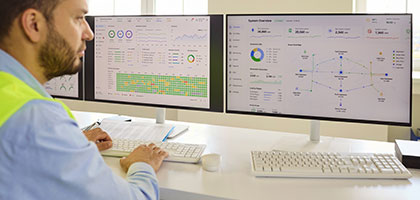
Deployment and continuous monitoring of mission-critical operations, keeping them resilient, secure, and efficient through unified command and control.
Intelligent Managed Services
Deployment and continuous monitoring of mission-critical operations, keeping them resilient, secure, and efficient through unified command and control.
The Road Ahead




Partners



In Focus




Information Hub
-
How does digital transformation accelerate innovation in the energy sector?
Digital transformation enables utilities and energy OEMs to modernize their operations through cloud-native platforms, digital twins, and AI-powered analytics. These technologies streamline asset lifecycle management, reduce downtime, and enhance grid visibility. With simulation-led design, intelligent monitoring, and predictive diagnostics, companies can proactively address infrastructure challenges and deploy scalable, carbon-conscious solutions faster. This fosters agile, efficient, and data-driven energy ecosystems aligned with net-zero goals.
-
How can energy companies transition toward sustainability and net-zero operations?
Sustainability begins with circular product design, energy-efficient components, and renewable-powered infrastructure. Solutions like smart HVAC systems, EV charging networks, and battery storage are engineered to reduce emissions and enable green electrification. Tata Elxsi supports this transition by integrating eco-design, climate-conscious engineering, and digital monitoring to optimize energy usage and lower environmental impact—supporting clients in meeting stringent sustainability targets.
-
What are the challenges in modernizing legacy energy infrastructure, and how can they be addressed?
Legacy systems are often siloed, inefficient, and difficult to scale. They lack the interoperability, visibility, and agility required for today’s decentralized and electrified energy grids. Tata Elxsi addresses these challenges by implementing interoperable platforms, modular hardware, secure cloud integration, and digital twins. This approach enhances asset traceability, speeds up deployment, and ensures compliance with evolving energy regulations, while reducing the total cost of ownership.
-
What role do AI and GenAI play in managing energy infrastructure?
AI and GenAI enable real-time insights, predictive maintenance, and automated decision-making across complex energy networks. From optimizing battery storage and load balancing to detecting faults in HVAC systems or EV charging networks, AI empowers utilities to enhance uptime and reduce operational costs. GenAI enhances control system design, anomaly detection, and customer engagement through intelligent interfaces. Together, they enable more responsive, reliable, and resilient energy systems.
-
How does IoT and data analytics drive performance in smart energy systems?
IoT devices provide continuous monitoring of assets like power converters, batteries, or HVAC units. Coupled with edge analytics and cloud platforms, they offer deep visibility into performance metrics, usage patterns, and fault conditions. This enables predictive maintenance, remote diagnostics, and load optimization—reducing energy waste and operational disruptions. For utilities and OEMs, these insights unlock better customer experiences and more sustainable operations.