

Digital Health Transformation for Payers & Providers
AI-driven Healthcare Transformation: Interoperability, Cloud Data, and FHIR Integration for Smarter Workflows and Value-Based Care.
Digital Health Transformation for Payers & Providers
Payers and providers face growing pressure to improve care quality, reduce operational complexity, and enhance member and patient experiences. Modernizing legacy systems is essential to achieving real‑time collaboration, regulatory compliance, and scalable digital operations. Tata Elxsi helps transform fragmented ecosystems into connected, insights‑driven platforms that streamline workflows and support value‑based care.
Our expertise spans AI‑powered analytics, FHIR‑based interoperability, cloud‑native healthcare platform engineering, and clinical workflow automation. We enable organizations to digitize care journeys, enhance decision‑making, and reduce administrative burden through intelligent automation. With global experience in digital healthcare transformation, we support end‑to‑end modernization for improved outcomes and operational efficiency.
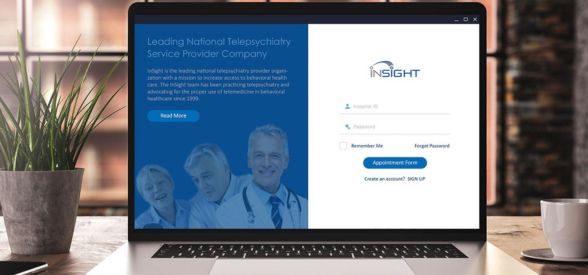
Carenection - A Telehealth portal to help hospitals offer remote consultations from clinicians
Business Opportunities
Healthcare organizations often operate on disconnected systems, manual processes, and outdated workflows that slow decision‑making and hinder payer–provider collaboration. Regulatory pressures, rising operational costs, and fragmented data environments limit efficiency and patient experience. Modernizing platforms with AI, cloud‑native architectures, and real‑time data exchange creates opportunities for coordinated care, reduced costs, and improved outcomes.
We deliver end‑to‑end digital transformation for payers and providers through AI‑enabled platforms, interoperability frameworks, cloud modernization, workflow automation, and integrated analytics that improve efficiency, compliance, and patient‑member experience.
Healthcare Digital Modernization Services

What's New





Information Hub
-
What are the top priorities for payers and providers when starting digital transformation?
Most organizations prioritize modernizing legacy platforms, improving interoperability, enhancing member and patient experiences, and reducing administrative complexity. They also focus on cloud migration, workflow automation, and adopting analytics and AI tools that strengthen decision‑making, reduce costs, and support regulatory compliance. Digital transformation helps create a connected ecosystem that improves care coordination and operational agility.
-
How does digital transformation reduce operational costs for payers and providers?
Automation, AI, and cloud architectures eliminate repetitive manual work, reduce errors, and streamline processes like claims management, prior authorization, and clinical documentation. Consolidating systems also lowers infrastructure costs and improves productivity. Together, these efficiencies reduce administrative overhead and free teams to focus on high‑value activities.
-
Why is interoperability essential for modern payer–provider collaboration?
Interoperability enables seamless data exchange across EMRs, payer platforms, and care management systems. Standards like FHIR support real‑time communication, reduce friction between teams, and eliminate duplicate data entry. This improves clinical decision‑making, shortens turnaround times, and supports value‑based care programs that rely on accurate, connected insights.
-
How does digital transformation improve patient and member experience?
Digital front doors, self‑service portals, mobile apps, and personalized communication improve accessibility and transparency. Automated workflows minimize delays, while AI helps tailor recommendations and interventions. This leads to a more convenient, consistent, and engaging experience across clinical and administrative touchpoints.
-
What ROI can healthcare organizations expect from digital transformation?
Organizations typically see ROI through lower operational costs, faster claims cycles, fewer manual errors, stronger compliance, improved care outcomes, and higher member/patient satisfaction. Investments in cloud, automation, and interoperability also future‑proof systems and enable scalable growth for emerging digital health models.